Veneers: Overview
Quick answer
Veneers are thin, custom-made shells, usually ceramic or composite, bonded to the front surface of teeth to improve their colour, shape, size or alignment. Whether they suit you depends on the health of your teeth and gums, your bite and the change you would like, which is assessed at a consultation.
What veneers can help with
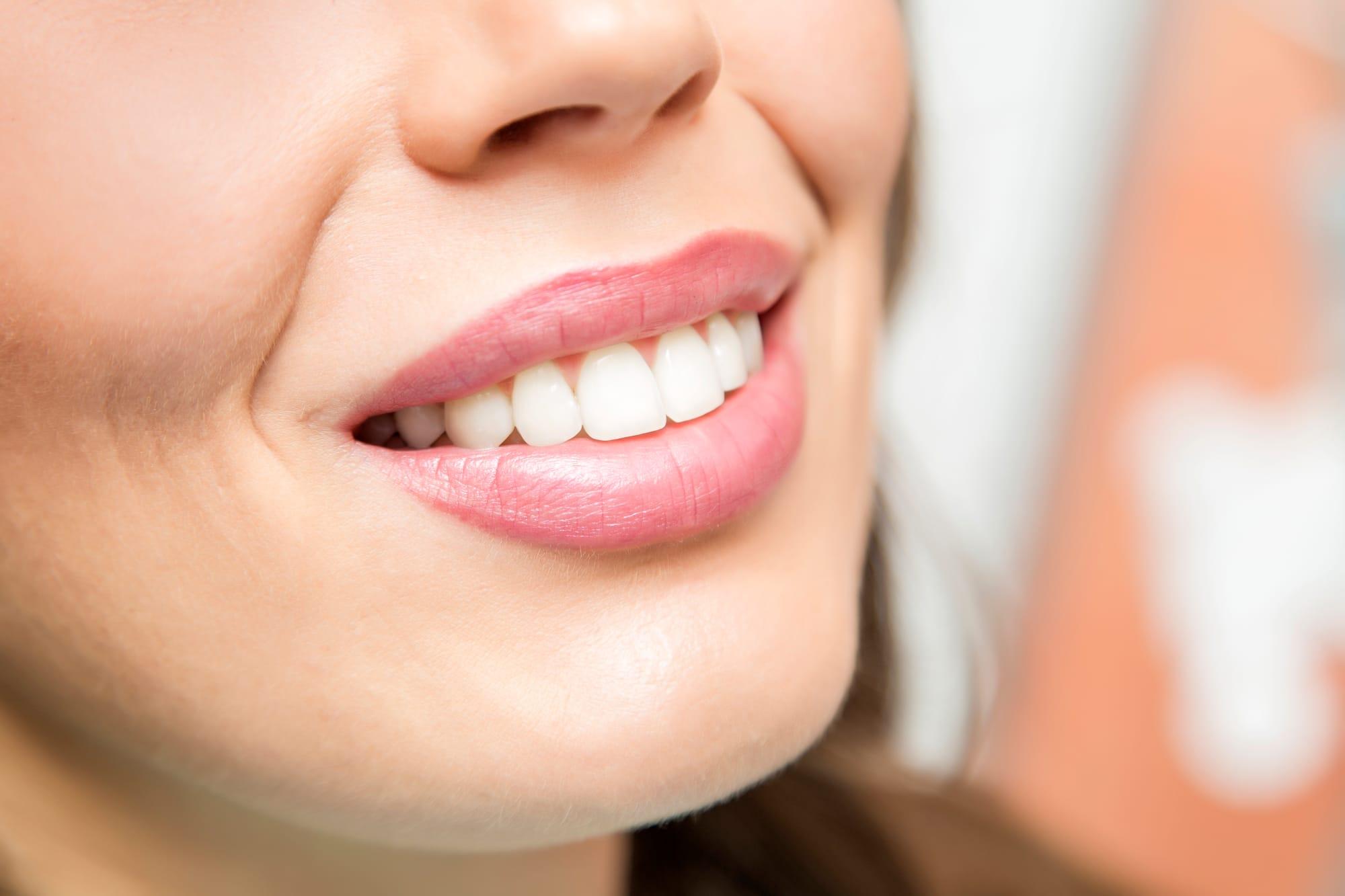
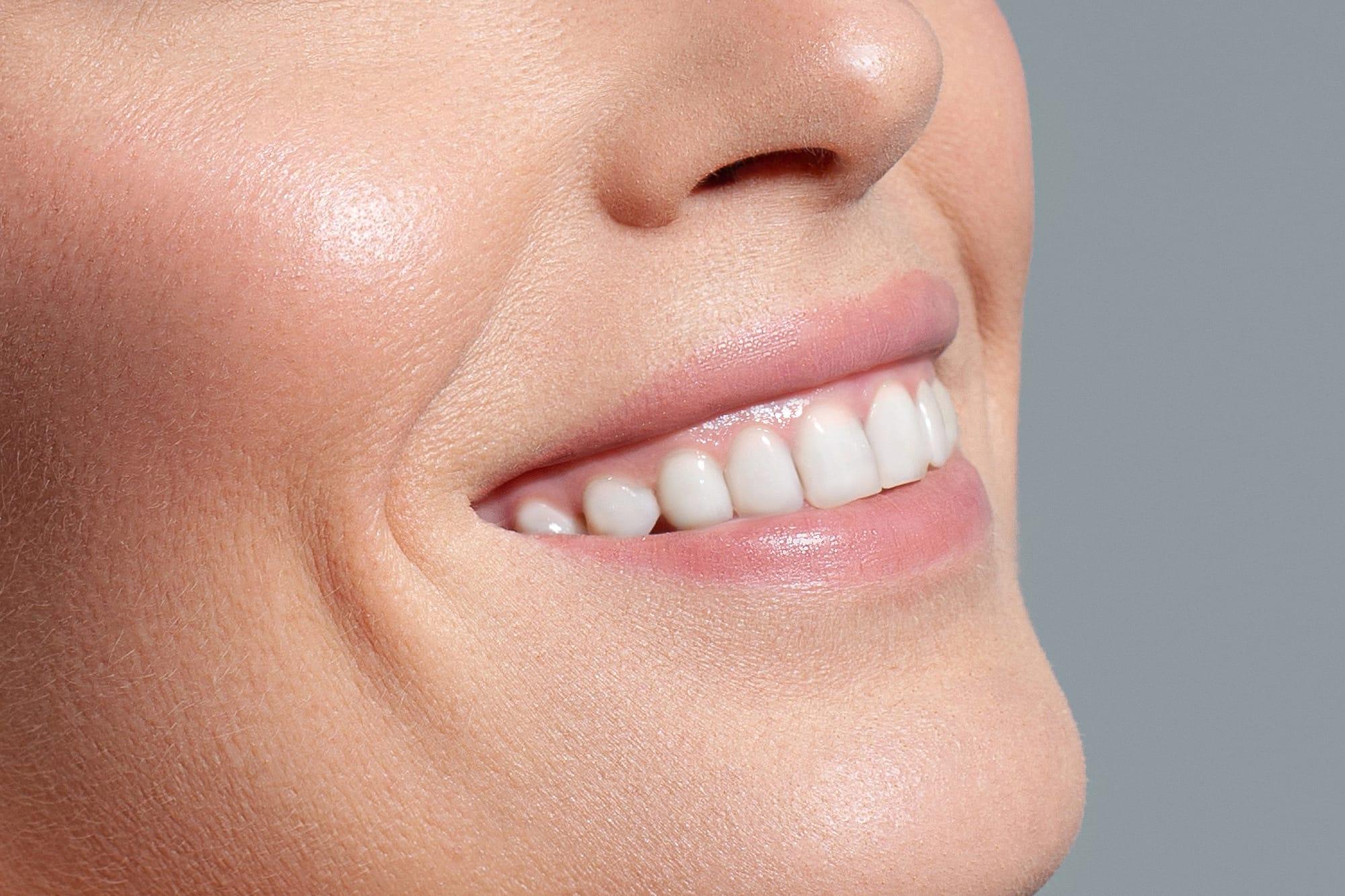
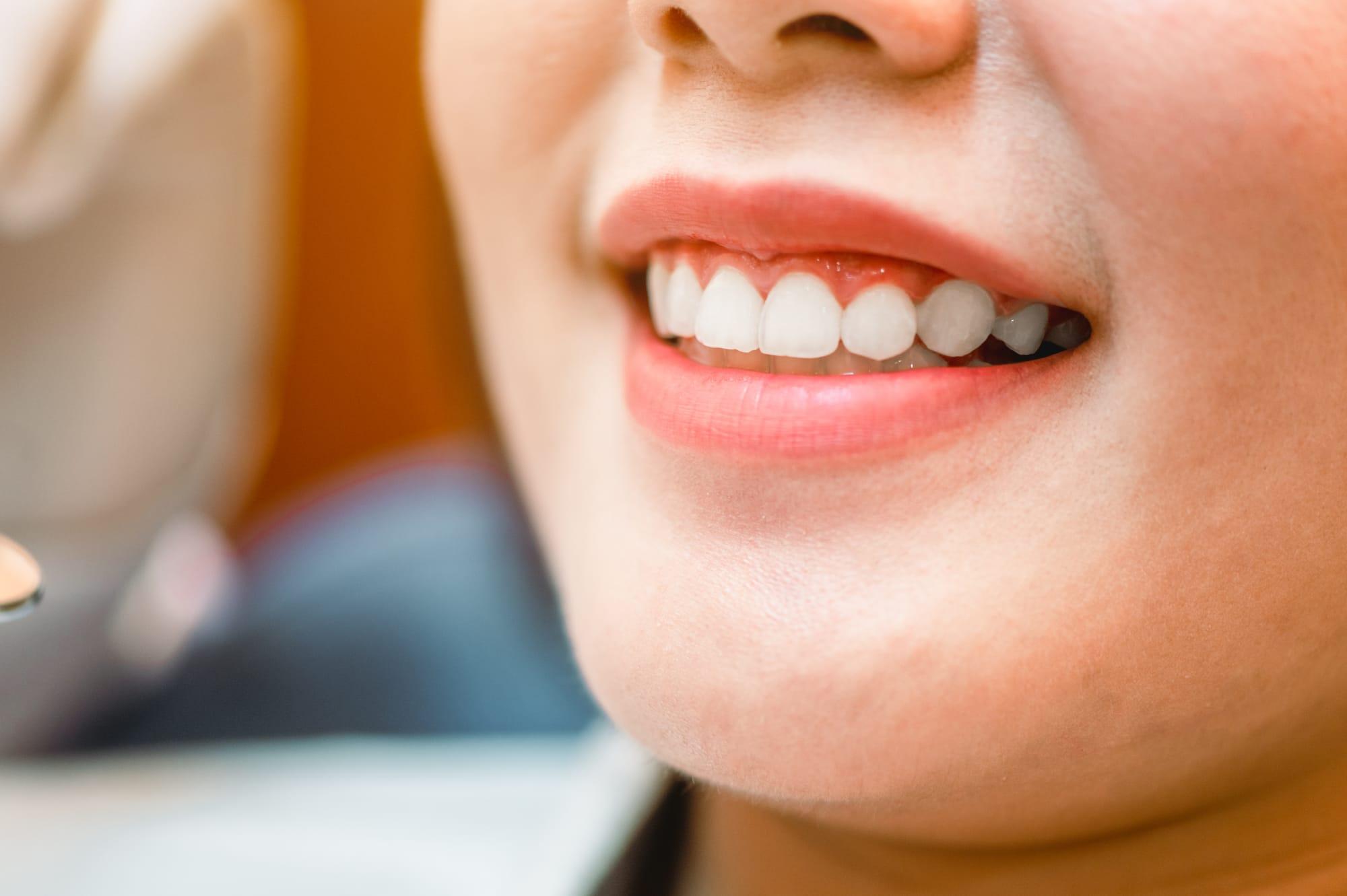
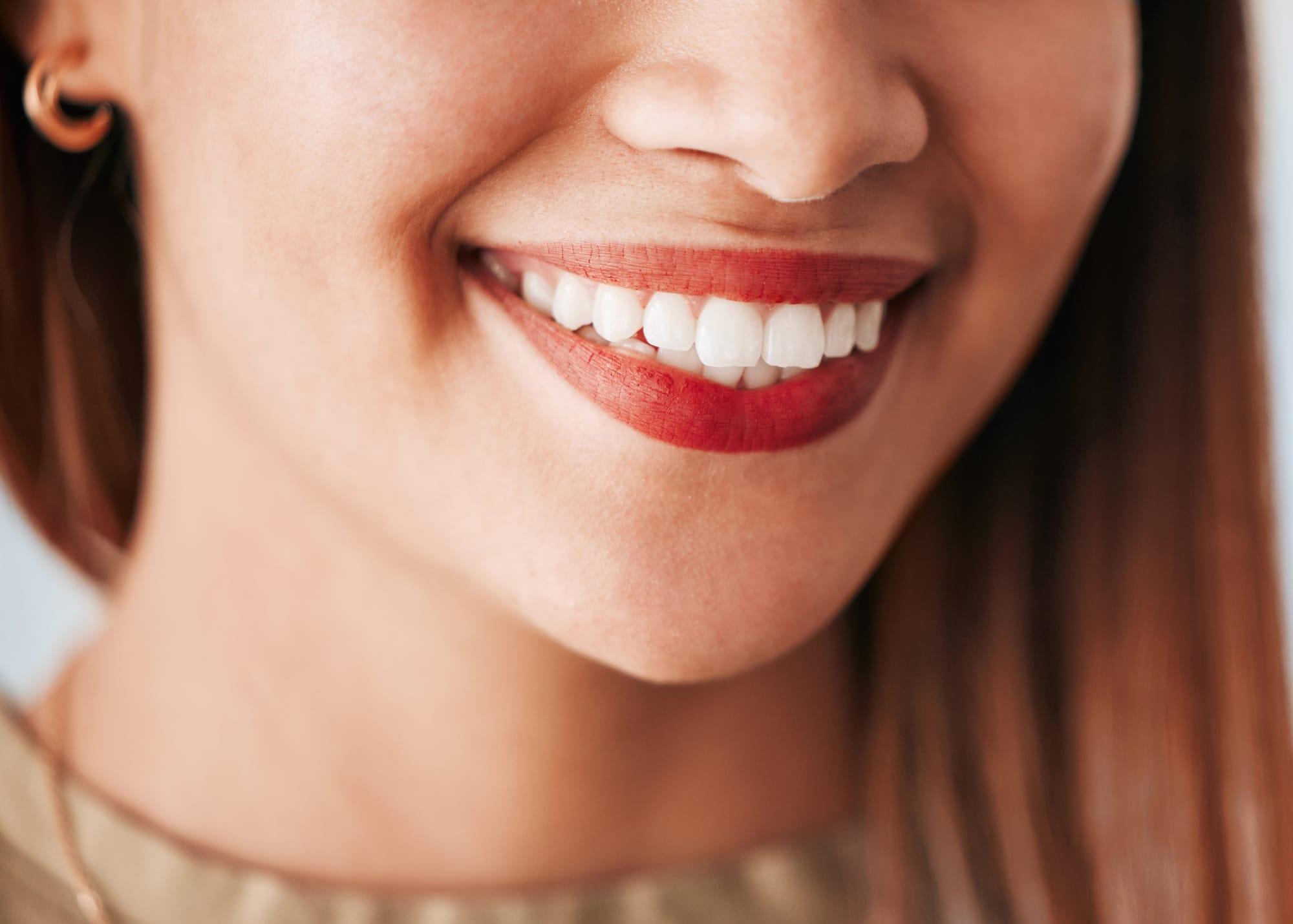
Veneers cover the visible front surface of a tooth. Because they are made to measure, the shade, shape and length of each veneer can be planned to suit your face and the rest of your smile.
Ceramic or composite
Ceramic (porcelain) veneers are made in a dental laboratory. They resist staining well and can look very lifelike. Composite veneers are shaped directly on the tooth, are often more conservative and can be repaired, but usually need maintenance sooner. Your dentist will explain which may suit your teeth, and why.
Planning comes first
Gum health, bite and existing fillings are checked before veneers are recommended. Where appropriate, a preview of the proposed changes helps you see the design before any irreversible step.
Veneers: Who may consider it
- Front teeth that are discoloured and have not responded well to whitening
- Chipped, worn or uneven front teeth
- Small gaps, or teeth that look small for the smile
- Older bonding or veneers you would like to refresh
Suitability is always confirmed at a consultation.
Veneers: The consultation process
Consultation & discussion
Share what you'd like to change. We talk through your goals, concerns and questions.
Dental assessment
Your teeth, gums and bite are examined. Photos or scans may be taken where helpful.
Personalised treatment plan
You receive clear options, what each involves and what to consider, so you can decide with confidence.
Treatment & follow-up
Treatment proceeds at an agreed pace, with reviews and aftercare guidance along the way.
Veneers: Things to consider
- Ceramic veneers often involve removing a thin layer of enamel, which cannot be reversed
- Veneers need good daily care, regular check-ups and, eventually, replacement
- If you clench or grind, a night guard may be recommended
- Whitening, bonding or orthodontic treatment may be suggested first, or instead
Veneers: Frequently asked questions
How long do veneers last?
With good care, ceramic veneers can last many years, but they are not permanent and may need repair or replacement over time. Grinding, gum health and hygiene all affect longevity.
Do veneers damage natural teeth?
Many ceramic veneers need a thin layer of enamel to be removed, which cannot be reversed. In some cases little or no preparation is needed. Your dentist will explain what would be involved for your teeth.
Can veneers be whitened later?
No. Whitening does not change the colour of veneers, which is why any whitening of natural teeth is usually done before veneers are made.