Ceramic Braces: Overview
Quick answer
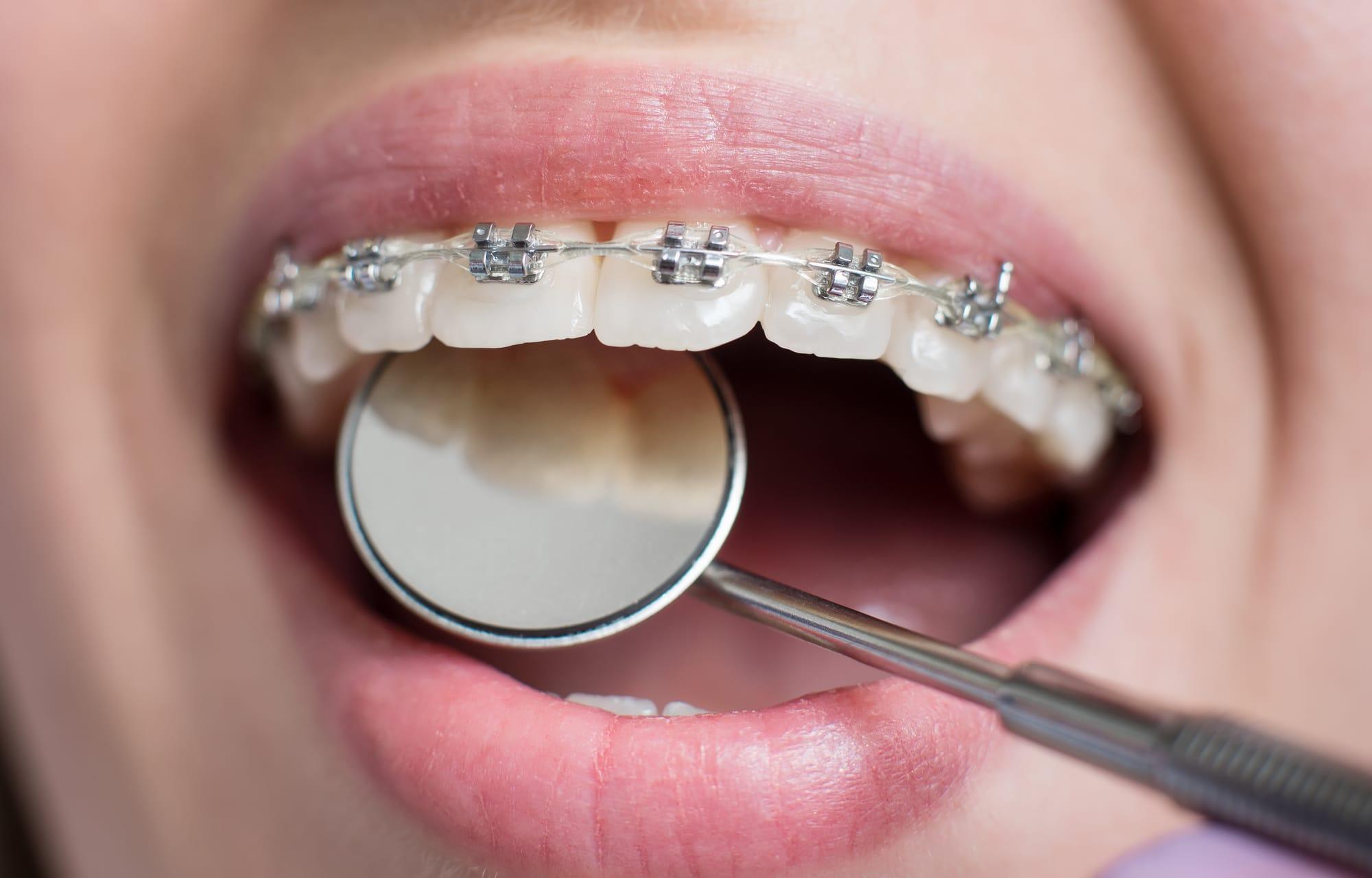
Ceramic braces are fixed braces with brackets made from a tooth-coloured ceramic material instead of metal. They are bonded to the teeth and linked by a wire that is adjusted over time, just like metal braces, but blend in more with the teeth. Whether they suit your case is confirmed at an orthodontic assessment.
How ceramic braces work
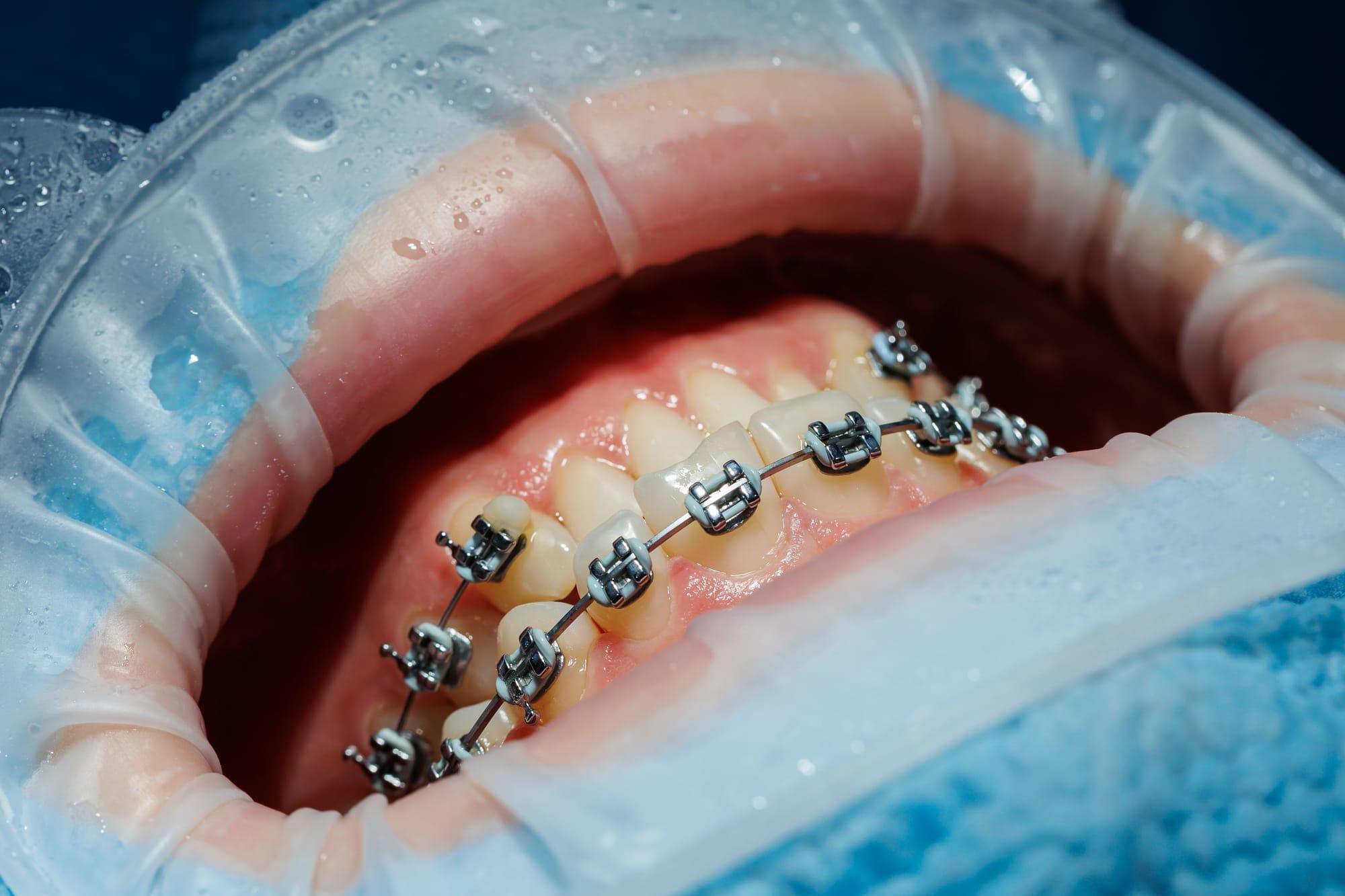
Ceramic braces follow the same principle as fixed braces. Small brackets are bonded to each tooth and linked by a thin wire. At regular visits the wire is adjusted, applying gentle, steady pressure that moves teeth gradually into their planned positions.
Why choose tooth-coloured brackets
The brackets are made from a ceramic material that blends in with the natural shade of your teeth, so they are less noticeable than metal from a conversational distance. Some people prefer this to removable clear aligners because the braces stay in place and do not rely on being worn.
Caring for ceramic braces
Brushing carefully around each bracket keeps teeth and gums healthy during treatment. Strongly coloured food and drink can stain the elastic ties, which are usually replaced at adjustment visits.
After braces
Once teeth are in position, retainers help them stay there. Wearing them as advised is an important part of the result.
Ceramic Braces: Who may consider it
- Crowded, overlapping or rotated teeth
- Gaps between teeth
- Adults and teenagers who would like fixed braces that are less noticeable
- People who prefer fixed braces to removable aligners
Suitability is always confirmed at a consultation.
Ceramic Braces: The consultation process
Consultation & discussion
Share what you'd like to change. We talk through your goals, concerns and questions.
Dental assessment
Your teeth, gums and bite are examined. Photos or scans may be taken where helpful.
Personalised treatment plan
You receive clear options, what each involves and what to consider, so you can decide with confidence.
Treatment & follow-up
Treatment proceeds at an agreed pace, with reviews and aftercare guidance along the way.
Ceramic Braces: Things to consider
- Ceramic brackets can be larger than metal ones
- Elastic ties may pick up stains from coffee, tea or curry between visits
- Cleaning around brackets takes extra time and care
- Regular adjustment visits are part of treatment
- Retainers are needed afterwards to keep teeth in position
Ceramic Braces: Frequently asked questions
Are ceramic braces invisible?
Not completely. They are tooth-coloured, so they are less noticeable than metal brackets, but they can still be seen up close. Clear aligners are another discreet option to discuss.
Do ceramic braces stain?
The brackets themselves resist staining, but the elastic ties can discolour between visits. Your dentist will explain how to keep them looking clean.
Are ceramic braces as effective as metal braces?
They move teeth in the same way and suit many cases. For some bite problems metal brackets may be recommended, which your dentist will explain at the assessment.